When Bending Space Gets Narrow, Sash Punches Find the Way
Sep 23, 2026
Sash Punch: A Narrow Standard Punch for Tight Bending Areas
When Bending Space Gets Narrow, Sash Punches Find the Way
How Sash Punch Geometry Improves Access Around Corners, Door Frames and Window Profiles
In the previous articles of the Bendmax Common Press Brake Tools Series, we introduced the Standard Punch for everyday bending and the Gooseneck Punch for applications requiring additional clearance.
This time, we look at another practical type of standard press brake punch: the Sash Punch.
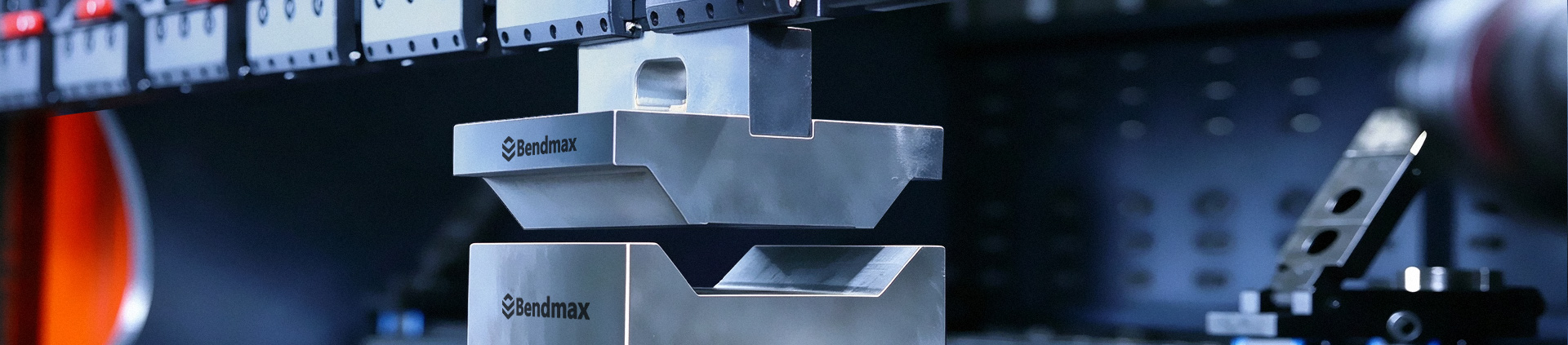
A Sash Punch has a narrow body and an angled, inward-facing tip. This compact geometry allows the punch to reach bending areas where a conventional wider punch may interfere with the workpiece.
What Is a Sash Punch?
A Sash Punch is a type of narrow press brake punch used for bending sheet metal in tight or restricted areas.
Its narrow body and angled tip make it suitable for applications such as:
• Door jambs and door frames
• Window frames and sash profiles
• Narrow sheet metal sections
• Corner bending
• Small return flanges
• Architectural metalwork
• Bending around restricted profiles
Although it has a distinctive shape, a Sash Punch is not necessarily a special forming tool. It is generally considered a specialized version of a Standard Punch, designed mainly to improve access in narrow bending areas.
How Does a Sash Punch Work?
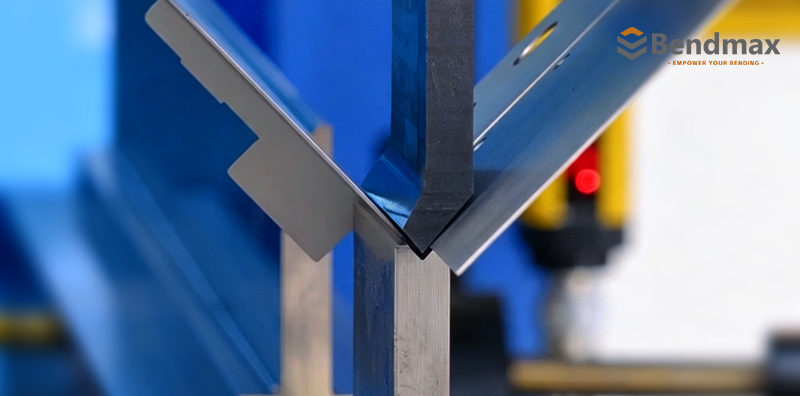
During bending, the narrow punch body reduces interference between the tool and the workpiece. Its angled tip helps the punch reach the required bend line and work around nearby corners or flanges.
The basic process is:
The sheet metal is positioned on the lower die.
The angled punch tip contacts the material.
The sheet forms around the punch and die.
The narrow punch profile provides improved access around restricted areas.
The required bend is completed with less tool interference.
The final bending result still depends on the punch angle, nose radius, die opening, material thickness and bending depth.
Sash Punch vs. Standard Punch
Feature
Standard Punch
Sash Punch
Main purpose
General-purpose bending
Bending in narrow or restricted areas
Body design
Conventional wider body
Narrow body with angled tip
Main advantage
Versatility and strength
Better access around corners
Typical applications
General sheet metal parts
Door frames, window frames and narrow profiles
Tool selection
Suitable for common bends
Suitable when punch access is limited
A Standard Punch is the normal choice for general bending. A Sash Punch becomes useful when the workpiece geometry requires a narrower tool profile.
Sash Punch vs. Gooseneck Punch
Sash Punches and Gooseneck Punches solve different problems.
• Standard Punch: Used for general-purpose bending.
• Sash Punch: Provides better access in narrow spaces and around corners.
• Gooseneck Punch: Provides additional clearance for deep boxes, U-profiles and return flanges.
In simple terms:
A Sash Punch is designed for narrow access, while a Gooseneck Punch is designed for deeper clearance.
The correct choice depends on the shape and position of the workpiece rather than the punch name alone.
Main Advantages of a Sash Punch
A suitable Sash Punch can provide:
Better access to narrow bending areas
Reduced interference around corners
Improved flexibility for door and window frame production
More convenient bending of narrow profiles
Consistent results in repeated production
Compatibility with different material types, including carbon steel, stainless steel and aluminum
However, the actual performance depends on the tooling material, heat treatment, dimensions, machine capacity and application requirements.
How to Choose the Right Sash Punch
Before selecting a Sash Punch, check the following information:
Workpiece drawing or sample
Material type and thickness
Required bending angle
Inside bend radius
Flange width and profile depth
Available clearance around the bend
Matching lower die
Press brake tooling system
Machine tonnage and bending length
The narrowest punch is not always the best choice. The tool must still provide sufficient strength and stability for the required bending load.
Sash Punches from Bendmax
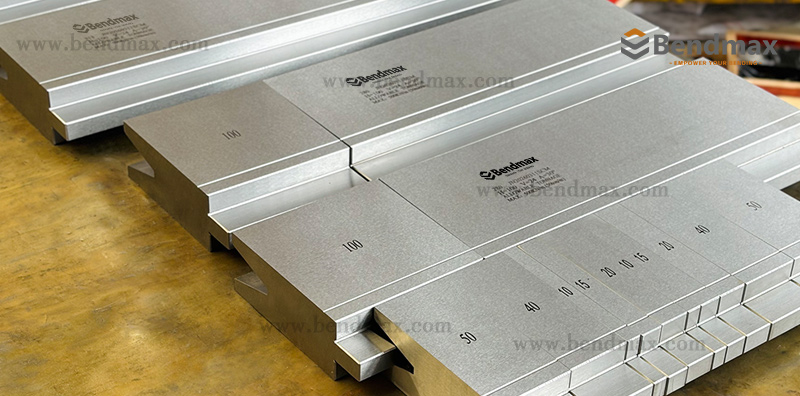
Bendmax manufactures press brake punches and dies for standard and specialized bending applications.
Our Sash Punch solutions are designed for narrow-profile bending, corner access and applications such as door and window frame production. Depending on the machine and workpiece requirements, tooling can be supplied in different dimensions, materials and compatible press brake systems.
For a suitable recommendation, customers can provide:
Part drawings
Material and thickness
Bending angle
Required inside radius
Machine model
Tooling system
Required punch length
Bendmax can then evaluate the working profile and recommend suitable tooling for the application.
A Sash Punch is a practical type of narrow Standard Punch. Its narrow body and angled tip provide better access in restricted bending areas, especially around corners, door frames, window frames and narrow sheet metal profiles.
It is not mainly designed for deep-box clearance like a Gooseneck Punch. Its main purpose is to reach narrow bending areas where a conventional Standard Punch may interfere.
Standard Punches provide general versatility. Gooseneck Punches create deeper clearance. Sash Punches improve access in narrow bending areas.
The FAQs
1. What materials can be bent with a Sash Punch?
Sash Punches can be used for common sheet metals such as carbon steel, stainless steel and aluminum. The suitable material thickness and bending load depend on the punch, die opening and machine capacity.
2. What press brake tooling systems are compatible with Sash Punches?
Sash Punches can be manufactured for different press brake tooling systems, including Amada, WILA, Trumpf, LVD and Bystronic-style systems, depending on the required interface and machine configuration.
3. Can a Sash Punch be used for short flanges and narrow profiles?
Yes. Its slim body and angled working profile can provide better access when bending short flanges, narrow sections and profiles close to corners, where a conventional punch may have limited access.
4. What Sash Punch specifications should I check before ordering?
Important specifications include punch angle, nose radius, tool height, length, tooling system, material, required clearance and maximum load. The workpiece dimensions and bending sequence should also be considered.
5. Can Bendmax manufacture Sash Punches in custom sizes?
Yes. Bendmax can manufacture Sash Punches according to drawings, samples or specified dimensions. Custom angles, heights, radii, lengths and tooling interfaces can be evaluated according to the application.
6. How can I select the correct Sash Punch for my application?
Provide the material, thickness, bend angle, inside radius, flange dimensions, machine model and tooling system. A part drawing or photo is especially helpful for checking clearance and selecting the appropriate punch and die combination.
7. Can a Sash Punch be used with my existing press brake die?
In many cases, yes, provided the punch and die are compatible in tooling system, working angle, radius and forming requirements. The existing die opening should also be checked against the material thickness and required bend radius. Bendmax can help verify the tooling combination before ordering.
Continue Your Bending Journey
Product Details
Learn more about this tooling, specifications and compatibility.
→ Explore the Product: Sash Punch
Related Solutions
See related applications, bending methods and tooling discussions.
→ Explore Solutions & Discussions
Need a Price?
Tell us your requirements and get a tooling recommendation and quotation.
→ Request a Quote: Talk to Our Tooling Engineers
Continue the Bendmax Tooling Series
Next:
When Narrow Access Is Not the Problem, Acute Punches Take the Angle Further
How Acute Angle Punch Geometry Creates Sharp Bends, Supports Overbending and Prepares Parts for Hemming
In the next article, we will move from tool access to bend angle.
A Sash Punch helps the tool reach restricted areas around corners, frames and narrow profiles. But sometimes the challenge is not whether the punch can reach the bending position—it is how far the sheet needs to be formed.
When the required included angle becomes significantly smaller than a conventional 85° or 90° bending setup can efficiently produce, an Acute Angle Punch provides a different solution.
We will explore why acute punches are commonly designed with angles such as 30°, 45° and 60°, how punch angle and penetration affect the final bend, and why acute tooling is also widely used for pre-bending before hemming.
When clearance is the problem, change the geometry of the punch. When bend angle is the problem, change the working angle.



 Phone: (0086)-15002165198
 Email: jason@bendmax.com
 Wechat: Privacy Policy
 IPv6 network supported


 English


