



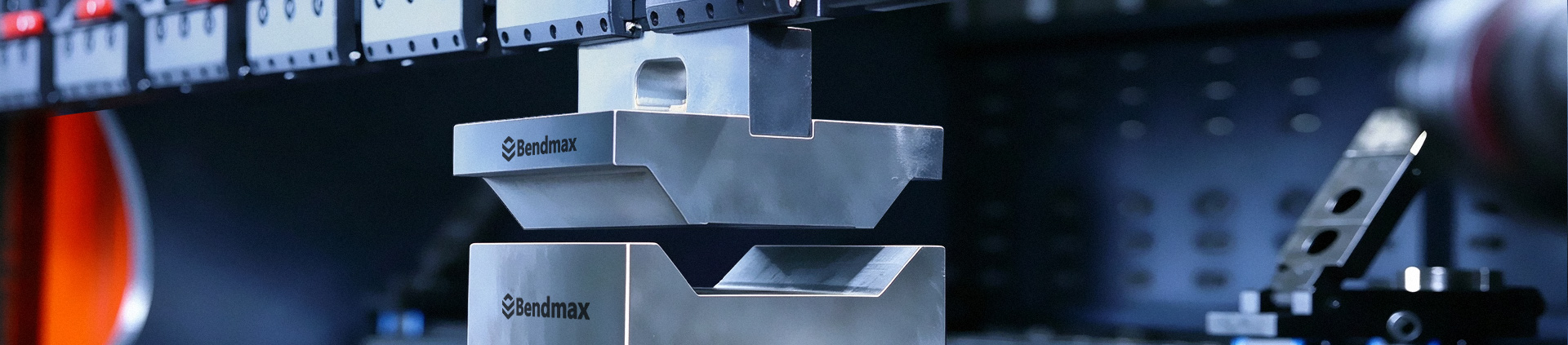
In the world of metal fabrication, if the press brake machine is the muscle, the tooling is undeniably the brain. It is the determining factor between a precise component and a piece of scrap.
Press brake tooling refers to the specialized tools—consisting of an upper punch and a lower die—used in a press brake machine to bend and shape sheet metal. These tools work in unison: the die provides the cavity, and the punch applies the force to create precise angles and forms.
As a Press Brake Tooling Manufacturer, we handle complex bending projects every day. However, we often find that even experienced customers aren't entirely clear on the fundamentals of the tooling itself. So, from a factory manager’s perspective, here is a simple, practical explanation.
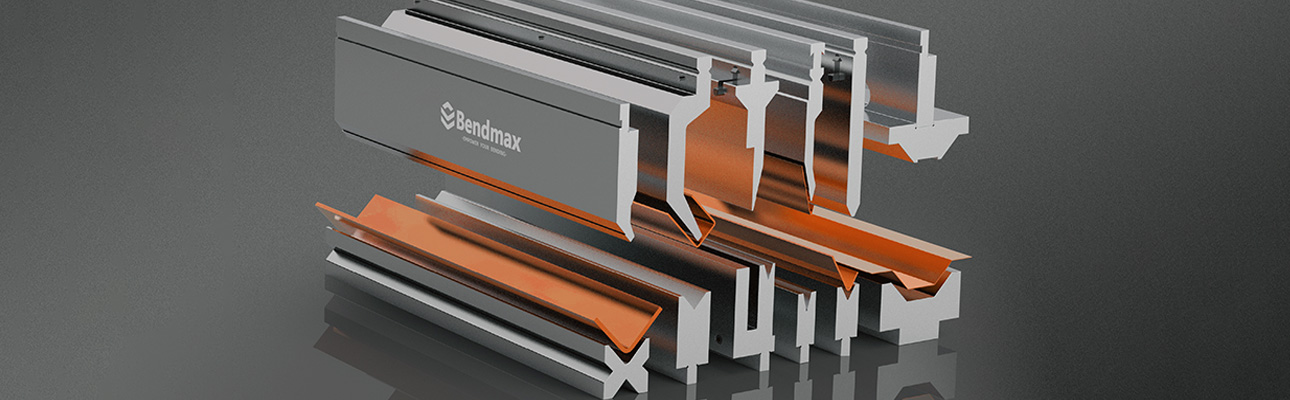
In simple terms, press brake tooling refers to the specialized tools installed on a press brake machine to bend and form sheet metal. It works on a simple principle:
The sheet metal is placed between these two tools. As the ram descends, it forces the material into the die, creating a precise bend. While it sounds simple, the geometry, hardness, and style of these tools make the difference between a perfect part and a scrapped piece.
Before diving into types, let's look at the anatomy:
2. Classification: Types of Punches (Upper Tools)
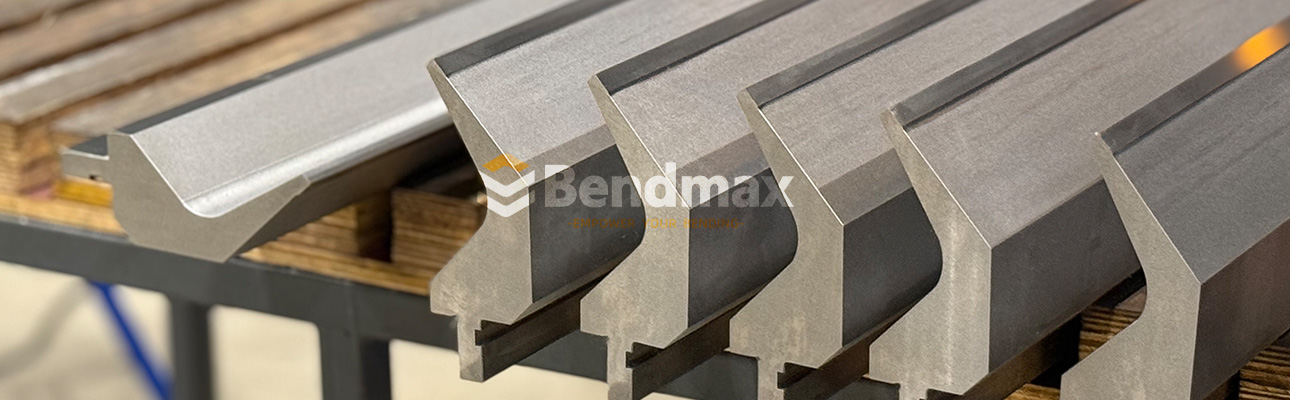
The shape of the punch determines what kind of profiles you can bend. Here are the most common types found in job shops:
The "workhorse" of the industry. It typically has a simple shape and is used for standard 90° bends or simple angles on parts with no return flanges.
1.Gooseneck Punch
2.Acute Angle Punch
3.Sash Punch
The most common die type. It features a V-shaped groove.
Used to create a "hem" (a safe, folded edge) on sheet metal. This is a two-step process:
Application: Safe edges on cabinets, drawers, and electronic enclosures.
4. Press Brake Tooling Styles: A Comparison Table
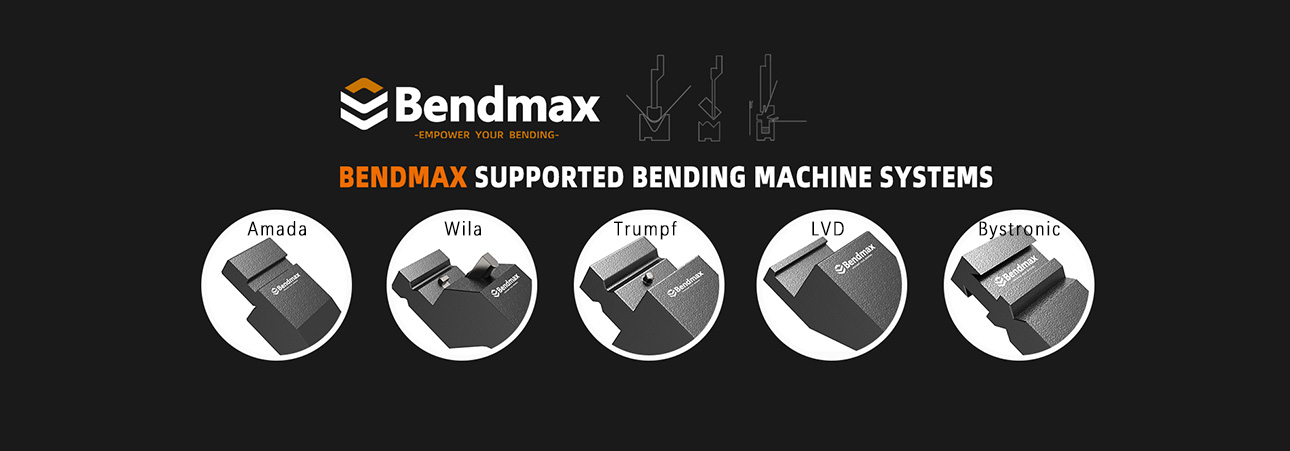
One of the most confusing aspects for beginners is the "Style" or "Standard." You cannot fit an American punch into a European holder without an adapter.
Here is a quick comparison to help you identify what you need:
| Tooling Style | Key Characteristics | Typical Application |
| American Style | Traditional design. Reversible punches/dies. Typically secured with a clamp plate. | Common in North America. Great for general fabrication and older mechanical brakes. |
| European (Promecam) | Features a specialized "safety tang." Higher precision than traditional American style. | The global standard for Precision Ground Press Brake Tooling used in CNC machines. |
| Wila / Trumpf | High-end button-operated safety clicks. Self-seating and self-aligning. | High-speed, High-Precision Press Brake Tooling . Very expensive but extremely fast changeovers. |
| New Standard | A hybrid style offering the precision of European tooling with enhanced clamping features. | Modern high-performance bending operations. |
If you are running a high-mix, low-volume shop (changing setups 10 times a day), investing in Wila/Trumpf style or Quick-Change Clamps for European tooling will pay for itself in labor savings within a year.
5. How to Select the Right Tooling?
Choosing the right tool is about physics, not just shape. The most critical decision is the V-Die Opening.
For standard mild steel, the general rule of thumb for selecting your V-die opening is:
Example: If you are bending 2mm thick mild steel, you need a 16mm V-opening (2*8=16).
| Material Thickness (T) | Recommended V-Opening | Typical Radius (Ir) |
| 0.5 mm - 2.5 mm | 6 x T | ~16% of V |
| 3.0 mm - 8.0 mm | 8 x T | ~16% of V |
| 8.0 mm - 12.0 mm | 10 x T | ~16% of V |
| > 12.0 mm | 12 x T | ~16% of V |
Using a smaller V-die tightens the radius but requires significantly more Tonnage (Force). Using a larger V-die reduces tonnage but increases the radius.
Don't just look a the shape; look at the steel grade.
Tools are expensive assets. Here is how we recommend maintaining them in the factory:
Press brake tooling is not just a metal block; it is a precision instrument. Understanding the difference between a Gooseneck and a Straight punch, or knowing when to apply the "Rule of 8," directly impacts your production efficiency and product quality.
 Phone: (0086)-15002165198
 Email: jason@bendmax.com
 Wechat: Privacy Policy
 IPv6 network supported
leave a message
Scan to wechat :

Scan to whatsapp :

 English


