



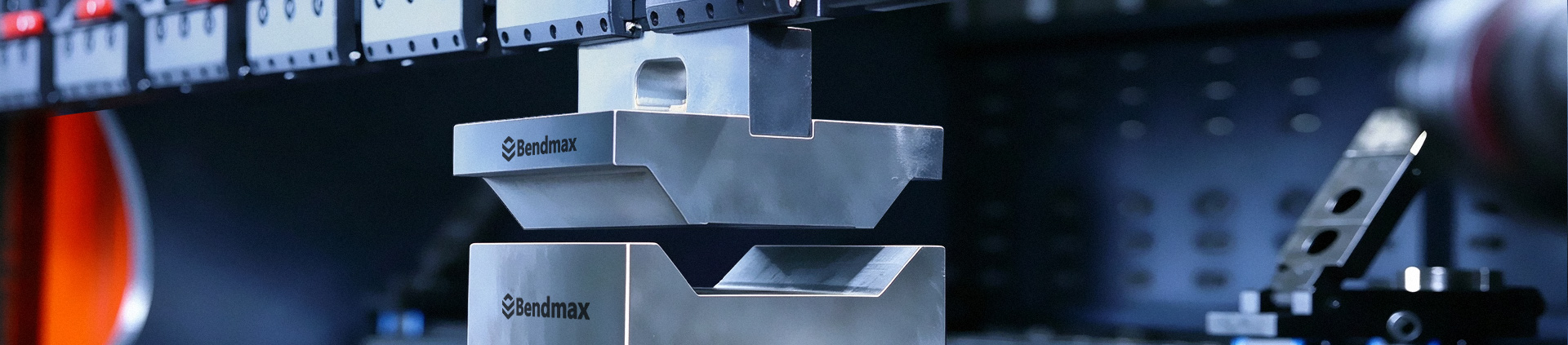
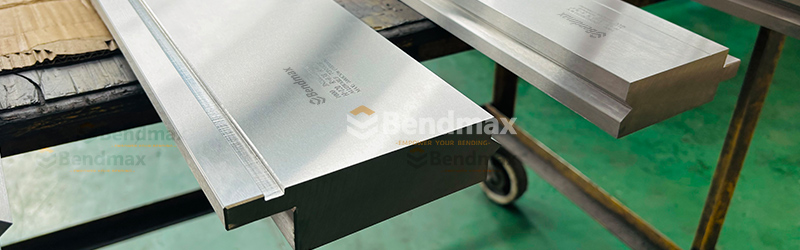
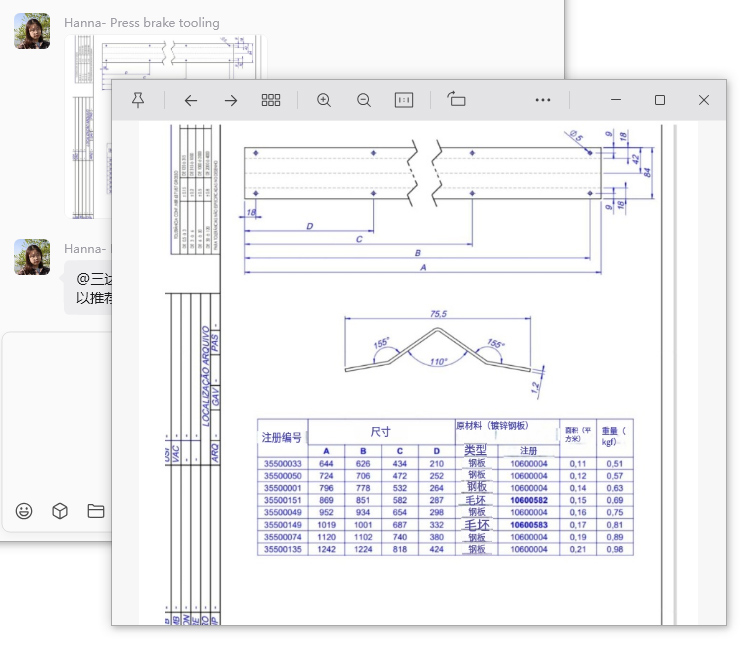
The customer approached us with a specific bending challenge involving a thin steel sheet with rib structure, requiring both efficiency and dimensional consistency.
Customer's main requirements included:
Material: Steel sheet, 1.2 mm thickness
Machine: Amada press brake
Lower die opening: V = 60 mm
Forming method: One-hit forming (single-step bending)
Part feature: Multi-angle profile with reinforcement rib (stiffening structure)
Quality expectation:
Stable bending angles
Clean forming without distortion
Consistent rib shape
High repeatability for batch production
Because the workpiece includes rib geometry and multiple bending angles, standard straight punches were not suitable for achieving the required shape in a single operation.
After reviewing the drawing, our engineering team identified several key challenges:
The presence of a rib (reinforcement feature) increases forming resistance and changes how material flows during bending. Without proper tooling support:
This would reduce production efficiency and increase cycle time.
The customer specifically required one-hit forming, meaning:
This requires custom-profile tooling, not standard punches.
With 1.2 mm steel, incorrect tooling selection may cause:
Proper support from the die shoulders is essential.
After technical evaluation, our engineers recommended using custom Rib Bending Tooling, specifically designed to match the profile shown in the drawing.
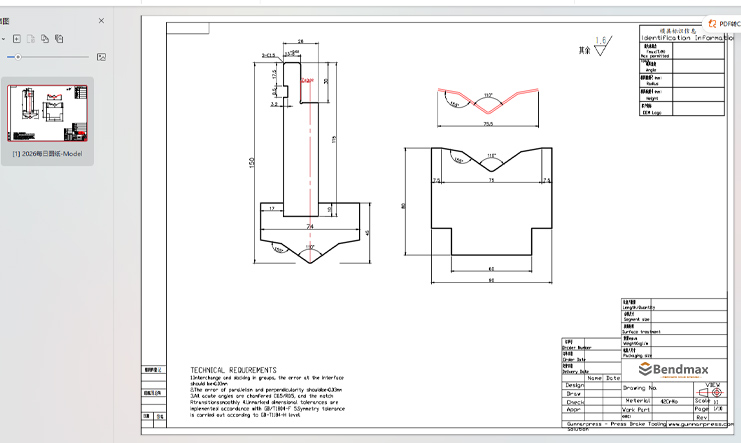
Recommended tooling configuration:
Tool Type: Rib Bending Punch & Die Set
Machine Compatibility: Amada system
Lower Die Opening: V = 60 mm
Forming Method: One-hit profile forming
Material Support: Optimized for thin sheet forming
Profile Matching: Custom geometry following part rib shape
This tooling design allows the rib and angles to be formed simultaneously in one press stroke.
The rib structure shown in the drawing includes:
Standard punches cannot accurately control deformation in such structures. Rib bending tooling provides:
The specially designed punch nose supports the rib geometry and prevents collapse during forming.
With matched tooling geometry:
Custom rib tooling ensures:
After implementing the recommended rib bending tooling, the customer successfully achieved:
The final formed parts met the customer's dimensional and functional requirements.
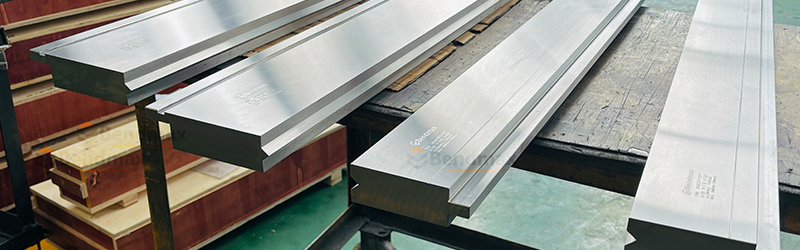
This case demonstrates that when bending parts with rib or stiffening structures, selecting the correct tooling profile is critical.
For components requiring:
Custom rib bending tooling is often the most reliable solution.
 Phone: (0086)-15002165198
 Email: jason@bendmax.com
 Wechat: Privacy Policy
 IPv6 network supported
leave a message
Scan to wechat :

Scan to whatsapp :

 English


