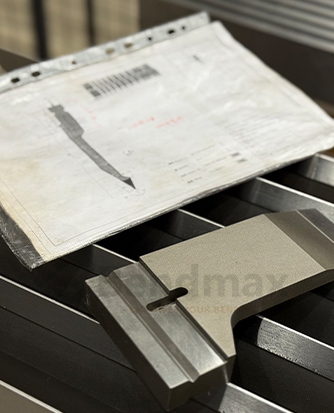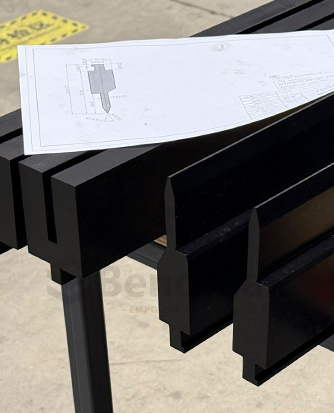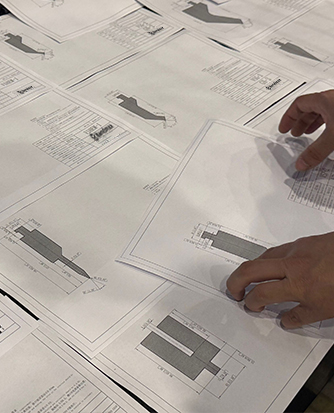

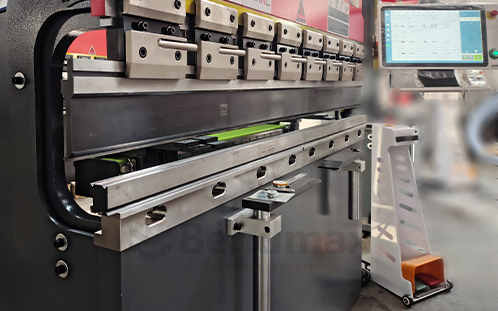
In modern sheet metal fabrication, press brake performance depends not only on machine accuracy, but also on the compatibility between the machine and the tooling system. Even high-precision CNC press brakes cannot achieve stable bending results if the punch, die, clamping system, or tooling height are improperly matched.
For fabrication shops focused on productivity, repeatability, and long-term profitability, matching tooling to machine capability is one of the most important factors in achieving efficient bending operations.
For more press brake tooling knowledge and technical resources, visit BENDMAX Official Website.
Press brake tooling operates under high pressure during bending. If the tooling system does not properly match the machine structure and clamping configuration, several production problems may occur, including:
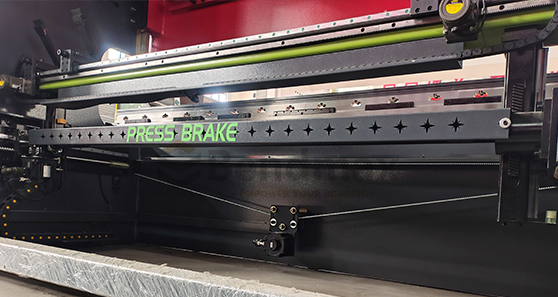
` Inconsistent bend angles
` Poor repeatability
` Tool misalignment
` Excessive machine stress
` Increased setup time
` Premature tooling wear
` Damage to hydraulic or clamping systems
A compatible tooling system ensures stable positioning, accurate load distribution, and reliable bending performance throughout production.
To better understand tooling compatibility and bending performance, you can also read:
Different press brakes use different clamping standards. The tooling must match the machine’s upper and lower clamping design.
Common clamping systems include:
Hydraulic clamping systems are widely used in modern CNC press brakes because they reduce setup time and improve tooling alignment accuracy.
Mechanical clamps remain common in conventional bending operations due to their lower cost and simple maintenance.
For more information about tooling interfaces and compatibility standards, read:
"Common Press Brake Tooling Standards and Interface Analysis"
Tooling height is another critical factor often overlooked by operators.
If the punch and die heights are incompatible with the machine stroke or daylight opening, the press brake may experience:
Standardized tooling heights improve interchangeability and reduce machine adjustment time, especially for shops running multiple tooling systems.
Recommended related article:
"How to Choose the Right Press Brake Tooling"
Tooling selection must also match the tonnage capacity of the press brake.
Using tooling beyond the rated load capacity can result in:
For example, narrow V-die openings require significantly higher bending force. Before production, operators should always verify tonnage requirements using bending force charts or calculation formulas.
A properly matched tooling system distributes pressure evenly and protects both the tooling and machine structure.
Useful technical references:
Different tooling systems are designed for different machine structures and production requirements. Choosing the right tooling interface improves compatibility, setup speed, and bending consistency.
To better understand the differences between tooling systems, visit:
"Common Press Brake Tooling Standards and Interface Analysis"
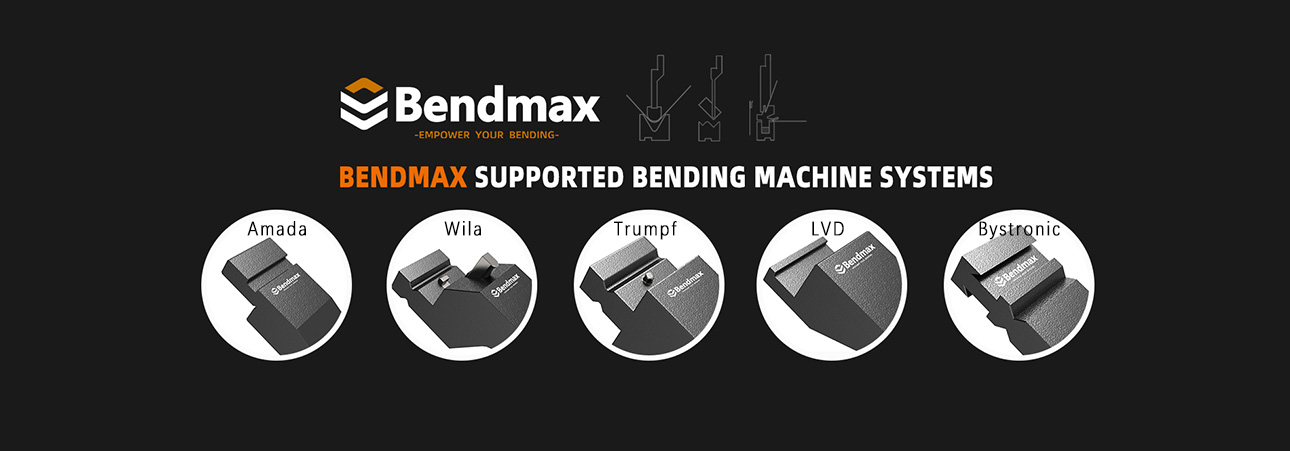
European tooling is one of the most widely used systems in global sheet metal fabrication. It offers:
This system is especially popular in Europe, Southeast Asia, and general fabrication workshops.
American tooling typically features tang-style mounting and segmented punch designs.
Advantages include:
American tooling remains common in North American fabrication industries.
Wila tooling systems are known for high precision and fast setup capability.
Key benefits include:
Wila systems are often used in high-precision CNC bending applications where productivity and accuracy are critical.
Hydraulic systems allow operators to change tooling quickly and uniformly.
Benefits include:
This system is ideal for automated or high-volume production.
Mechanical clamping systems are durable and economical.
Advantages include:
They remain suitable for many standard fabrication applications.
You may also be interested in:
Hydraulic vs Mechanical Press Brake Clamping Systems Comparison
Many fabrication shops operate multiple press brakes with different tooling standards. Using adapters, risers, and compatible clamping systems allows shops to:
Interchangeable tooling systems also help manufacturers respond faster to changing customer requirements.
Improper tooling compatibility can lead to serious production issues, such as:
Even a small tooling height difference can affect bending accuracy during multi-station production.
A properly matched tooling system directly improves manufacturing profitability.
Benefits include:
Over time, these advantages significantly reduce operating costs and improve return on investment for fabrication shops.
When selecting tooling for a press brake, manufacturers should evaluate:
Instead of purchasing excessive tooling initially, many professional fabricators gradually build a tooling library based on production needs.

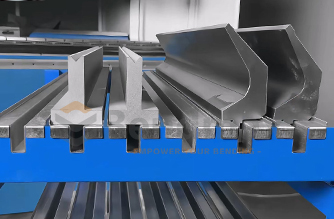
Matching tooling to machine capability is essential for achieving precise, efficient, and reliable press brake bending operations. Proper compatibility between the tooling system and the machine improves bending quality, protects equipment, reduces setup time, and increases long-term productivity.
Whether using European, American, Wila, hydraulic, or mechanical systems, selecting the correct tooling configuration is a strategic investment in manufacturing efficiency and production stability.
If you are unsure which press brake punches, dies, adapters, or clamping systems best match your machine, visit BENDMAX or contact our engineering team for professional tooling recommendations and customized bending solutions.
 Phone: (0086)-15002165198
 Email: jason@bendmax.com
 Wechat: Privacy Policy
 IPv6 network supported
leave a message
Scan to wechat :

Scan to whatsapp :

 English